We perform bearing capacity analysis in Baltimore following ASTM D1586-18 for SPT and ASTM D2487 for soil classification. Baltimore sits on a mix of Coastal Plain sands, clays, and Piedmont residual soils. The transition zone near the Fall Line makes bearing capacity vary block by block. For shallow foundations we run plate load tests per ASTM D1196. For deep foundations we combine SPT N-values with CPT soundings to get continuous profiles. Every report references IBC 2021 allowable bearing pressures for the site class determined by our field data.
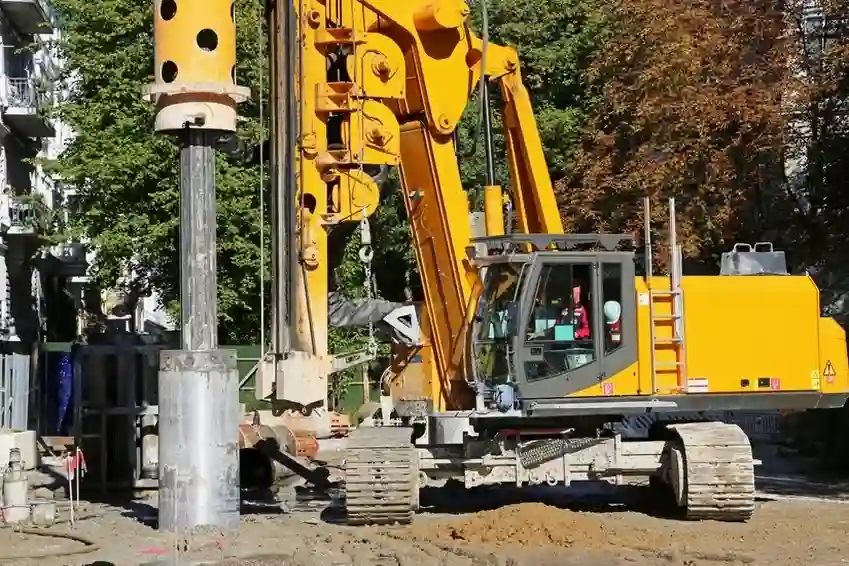
We determine allowable bearing capacity using site-specific SPT N-values, plate load tests, and laboratory shear strength — not generic table values.
Method and coverage
Regional considerations
Baltimore's urban fill dates back to the 1800s harbor expansion. Much of the Inner Harbor, Locust Point, and Canton sit on loose sand and rubble fill up to 30 feet deep. That fill has low bearing capacity and high compressibility. We have seen differential settlement in row homes along Pratt Street where one footing hits fill and another hits stiff clay. Our analysis identifies these transitions. For sites near the Patapsco River we also check for liquefaction potential using NCEER 2001 criteria. A proper bearing capacity study prevents structural damage before foundation concrete is poured.
Standards that apply
ASTM D1586-18 (SPT), IBC 2021 Chapter 18 (Soils and Foundations), ASCE 7-22 (Minimum Design Loads)
Related services
Shallow Foundation Bearing Capacity
Plate load tests and SPT-based calculations for spread footings and mats. We correlate N-values with Terzaghi and Meyerhof bearing capacity equations. Includes settlement analysis.
Deep Foundation Capacity (Piles & Drilled Shafts)
End-bearing and skin friction estimates from SPT and CPT data. We apply FHWA and AASHTO methods for driven piles and drilled shafts. Static load test design support.
Shear Strength Testing for Bearing Capacity
Triaxial CU and direct shear tests to get c' and phi' for total and effective stress analysis. Used for bearing capacity on clay sites or where groundwater is shallow.
Typical parameters
Common questions
How does bearing capacity analysis work for Baltimore row home additions?
We drill a 4-inch SPT boring to 20 feet or refusal. The N-values are corrected to N60 and correlated to allowable bearing pressure. For row homes we also check for adjacent foundation influence. Our report gives a specific allowable bearing value for your footing design.
What is the typical cost range for a bearing capacity study in Baltimore?
A standard residential bearing capacity study including 2 borings, lab testing, and a report runs between US$540 and US$1,500. Commercial projects with deeper borings and plate load tests cost more. Price varies by number of borings and required testing.
Do I need a separate settlement analysis with the bearing capacity report?
The reference range for this service in Baltimore is US$540 - US$1.500. The final price depends on the project scope and volume.
How do you handle fill or debris layers in Baltimore's urban sites?
We log every foot of soil and note fill thickness, debris, or obstructions. If fill extends below footing depth we recommend over-excavation and replacement or deep foundations. Our bearing capacity analysis for fill sites uses conservative N-value reductions.